Ensuring Good Governance
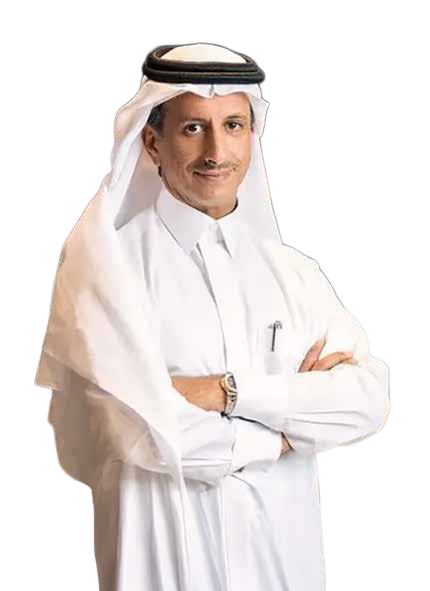
Our focus on Tourism is driving notable economic, social and cultural change. Our investments in tourism destinations across the Kingdom are creating opportunities for both large and small communities.
H.E. Mr. Ahmed bin Aqeel Al-Khateeb
Minister of Tourism and Chairman of TDF Board of Directors
TDF has built a robust governance framework that empowers its members to make informed decisions grounded in integrity and responsibility. These governance practices support its mission to drive the National Tourism Strategy and advance sustainable tourism development across the Kingdom.
Guided by the principles of transparency, accountability, and ethical leadership, the organisation’s leadership ensures that its strategy and actions align with national priorities, uphold its values, and keep people and communities at the centre of everything it does.
Our Governance Structure
Board Composition
The Board of Directors (Ȋthe Boardȋ) serves as the highest decision-making authority at the Fund. It is composed of six members, with the Minister of Tourism acting as Chairman.
The remaining members are nominated by the Chairman and formally appointed through a resolution issued by His Royal Highness, the Chairman of the Board of Directors of the National Development Fund (NDF). This structure ensures that the Board reflects national development priorities and maintains alignment with broader stakeholder interests.
The Board is responsible for setting and approving TDF’s strategic direction, including its purpose, values, and sustainability-related policies. It ensures these policies address environmental, social, and economic impacts, and oversees the outcomes of due diligence and risk processes. Engagement with stakeholders is embedded in governance, supported by the Chairman’s dual role as Minister of Tourism and NDF Board member, enabling alignment with national priorities. Governance processes are regularly reviewed and approved in line with the Delegation of Authority (DoA).
Director‘s Gender
- Male
- 83%
- Female
- 17%
H.E. Ahmed Al-Khateeb (Chairman)
Held senior roles in investment, de-fence, health, and entertainment sectors
- Minister of Health
- Chairman of Tourism Development Council, Saudi Tourism Authority, Tourism Development Fund, Saudi Fund for Development, Air Connectivity Program, Saudi Red Sea Authority, Quality of Life Program
- Board Member of Public Investment Fund (PIF), NEOM, National Development Fund, Red Sea Global
- Secretary General of Diriyah Gate Development Authority, Jeddah Central Development Company, Event Investment Fund, Al Diriyah Company Limited
H.H. Princess Haifa Al Saud
Led major structural reforms and initiated the Air Connectivity Program.
- H.H.V.M. Deputy Minister of Tourism
- Board Member of General Authority of Civil Aviation (GACA), Qiddiya Investment Company, Quality of Life Program, Red Sea Authority, Tourism Development Council, Al-Ahsa Development Authority, Taif Development Authority
- Secretary-General of Formula E Holdings
- Chairperson of Saudi-Emirati Youth Council
- President of Arab Women’s Fencing Federation
- Vice President of Saudi Fencing Federation
H.E. Ihsan Bafakih
Former Governor of the State Properties General Authority. Over 20 years of experience in banking and investment
- Governor of General Authority for State Properties (SPGA)
- Board Member of Kidana Development Company
- Committee Member of Executive Committee of the Events In-vestment Fund, Investment Committee of the Royal Commission for Makkah and the Holy Sites
- Chairman of Investment and Partnerships Development Committee at Misk City (Mohammed bin Salman Foun - dation)
- Chief Financial Officer of Saudi Authority for Industrial Cities and Technology Zones (MODON)
- CEO of Mohammed Al-Subeaei & Sons Investment Company (MASIC)
- Representative of NCB and SABB in the Saudi Central Bank’s Investment Products Committee and the Steering Committee at the Ministry of Finance
- Member of Saudi-American Business Council, Saudi-Singaporean Business Council
Mohammed Al Omran (Vice Chairman)
Chairman of Credit Suisse Saudi Arabia
- Chairman of YANAL Finance (current), Credit Suisse Saudi Arabia (former)
- Board Member of Tarabot Investment & Development, Saudi British Bank (SABB), Saudi Railways Organization (former), Al Rajhi Takaful (former), Riyadh Chamber of Commerce (former), General Authority of Civil Aviation (former), Saudi Telecom Company (former), National Agricultural Development Company (NADEC) (former)
Stephen Groff
Former VP at Asian Development Bank.
- Governor of National Development Fund (NDF)
- Vice President of Asian Development Bank (Philippines)
- Deputy Director of Development Cooperation at the Organisation for Economic Co-operation and Development (OECD, France)
- Advisory Board Member of International Finance Forum, Millennium Challenge Corporation Advisory Council, China Council for International Cooperation on Environment and Development
Abdulmohsen AlTouq (Chairman of AlTouq Group’s Board of Directors)
Former executive roles at Credit Agricole
- Chairman of AlTouq Group, Daar Al Tamleek, Saudi Networkers Services LLC, Steel Products Company (Stepco)
- Vice Chairman of Arab National Bank, Dan Company
- Board Member of Al-Uqair Development Company, Ethos Company
- Member of Young Presidents’ Organization (YPO), Who’s Who
- Executive Positions Held at Crédit Agricole Indosuez (Geneva), HSBC Saudi Arabia (Riyadh)
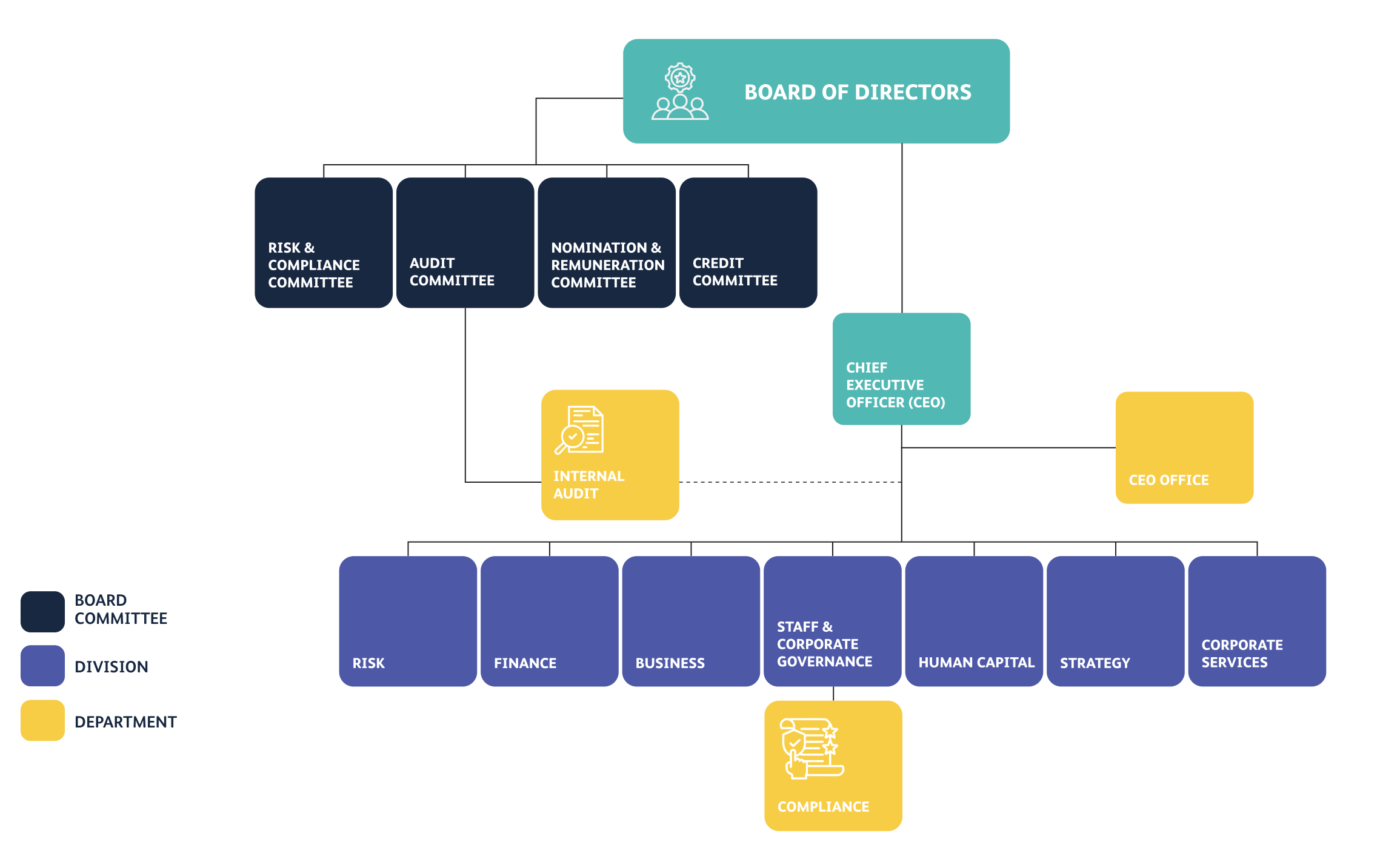
In line with the Fund’s commitment to transparency and accountability, the Board held regular meetings throughout the year, maintaining a strong attendance rate of 100% and active participation from all members. TDF Board members bring substantial experience and continuity to the Fund’s governance, contributing seasoned insights across their terms of service. To support its oversight responsibilities, the Board has established key functional committees, including the Board Credit Committee, Board Risk & Compliance Committee, Board Audit Committee, Nominations & Remuneration Committee.. These committees play a vital role in reviewing and recommending important proposals.
To ensure objectivity and uphold the highest standards of integrity, any director facing a conflict of interest recuses themselves from related discussions, reinforcing the Fund’s commitment to fair, responsible decision-making in the best interest of all stakeholders.
| Meeting Dates | No of Attendees | Attendees |
|---|---|---|
| 29/05/2024 | Six | All Members |
| 29/09/2024 | Six | All Members |
| 15/12/2024 | Six | All Members |

Evaluation of Performance of the Highest Governance Body
TDF recognises that continuous learning is essential to strong, forward-looking governance.
It supports the ongoing education and development of the Board of Directors to ensure they remain well-informed on emerging sustainability issues, governance best practices, risk management, and regulatory developments both locally and globally.
The Fund conducts an annual self-assessment of the Board’s performance to evaluate its effectiveness in overseeing the management of the Fund’s economic, environmental, and social impacts. This assessment is carried out internally at the end of each year, with a commitment to engage in an independent third-party evaluation every three years. The results of these evaluations are formally presented to the Board, with follow-up actions guided by directives from the Chairman. This process supports continuous improvement in governance practices and ensures alignment with TDF’s strategic and sustainability objectives.
Board Committees
Nomination and Remuneration Committee
The Nomination and Remuneration Committee oversees leadership appointments, board effectiveness, and human capital policies to ensure strong governance and organisational performance. TDF maintains a structured approach to remuneration policy governance under regulatory oversight from the Minister of Finance and NDF (National Development Fund).
| Members | Date of Appointment | Re appointment |
|---|---|---|
| H.E. Ihsan BaFakih (Chairman) | 17/06/2020 | 12/06/2023 |
| Mr. Ahmed AlRajeh- Independent | 17/06/2020 | 12/06/2023 |
| Mr. Ahmed AlSedais - Independent | 17/06/2020 | 12/06/2023 |
| Meeting Dates | No of Attendees | Attendees |
|---|---|---|
| 03/03/2024 | Three | All Members |
| 06/05/2024 | Three | All Members |
| 05/09/2024 | Three | All Members |
| 01/12/2024 | Three | All Members |
Key Responsibilities of the Nomination and Remuneration Committee
- Recommend to the Board the appointment of Board Committee members taking into consideration the independence criteria of Independent Members.
- Review the Board and Board Committees evaluation mechanism and submit relevant recommendations to the Board for approval.
- Recommend to the Board the appointment and dismissal of the CEO, and his/her roles and financial benefits and compensations.
- Review TDF’s Human Capital policies, including compensation, benefits and allowances policies, and ensure their compliance with relevant laws and regulations.
- Approve the Fund’s annual Employees bonus mechanism in accordance with relevant policies and approved budget for the organisation.
Credit Committee
The Credit Committee is a key component of TDF’s governance structure, responsible for overseeing credit, financing, and financial risk decisions. It ensures that capital is deployed responsibly and in alignment with the Fund’s mandate to support sustainable tourism development.
| Members | Date of Appointment | Re appointment |
|---|---|---|
| H.H. Princess Haifa Al Saud | 17/06/2020 | 12/06/2023 |
| H.E. Ihsan Bafakih | 17/06/2020 | 12/06/2023 |
| Mr. Mohammed AlOmran (Chairman) | 17/06/2020 | 12/06/2023 |
| Mr. Abdulmohsen AlTouq | 12/06/2023 | 12/06/2023 |
| Mr. Qusai AlFakhri (non-voting member) | 17/06/2020 | 12/06/2023 |
| Meeting Dates | No of Attendees | Attendees |
|---|---|---|
| 27/02/2024 | Four | All members except H.H. Haifa Al Saud |
| 23/05/2024 | Four | All members except H.H. Haifa Al Saud |
| 10/06/2024 | Four | All members except H.H. Haifa Al Saud |
| 17/09/2024 | Four | All members except Qusai Al-Fakhri |
| 24/11/2024 | Four | All members except H.H. Haifa Al Saud |
Key Responsibilities of the Credit Committee
- Review and provide recommendations on matters pertaining to credit, investment, and financial risks.
- Review and provide recommendations on credit and financing products..
- Approve and assess financing, loans, financial guarantees and equity transactions.
- Review the performance of the Fund’s credit portfolio and supervise the periodic reports that highlight any credit risks.
- Review and recommend matters, policies, and plans related to cash investments.
Risk and Compliance Committee
The Risk and Compliance Committee provides strategic oversight of TDF’s risk management and compliance functions, ensuring alignment with the Fund’s mandate and regulatory obligations.
Compliance with Laws and Regulations The Fund demonstrates strong compliance performance with zero instances of non-compliance with laws and regulations during the reporting period. TDF recorded no fines incurred in the current reporting period and no non-monetary sanctions were imposed. Additionally, there were no outstanding fines from previous reporting periods that were paid during 2024, reflecting consistent adherence to regulatory requirements. TDF’s compliance framework ensures systematic identification and management of regulatory obligations. As of 2024, the Fund has achieved over 95% full compliance with applicable regulations and has partially complied with the remaining 5%.
| Members | Date of Appointment | Re appointment |
|---|---|---|
| Mr. Abdulmohsen AlTouq(Chairman) | 12/06/2023 | - |
| Mr. Yazeed AlJared - Independent | 12/06/2023 | - |
| Mr. Ahmed AlRowaily - Independent | 17/06/2020 | 12/06/2023 |
| Mr. Mohammed AlOmran | 17/06/2020 | 12/06/2023 |
| Meeting Dates | No of Attendees | Attendees |
|---|---|---|
| 28/02/2024 | Three | All members except Mr. Ahmed Al-Rowaily |
| 26/05/2024 | Four | All Members |
| 15/09/2024 | Four | All Members |
| 27/11/2024 | Three | All Members except Mr. Mohammed Al-Omran |
Key Responsibilities of the Risk and Compliance Committee
- Review the Risk Appetite, submit relevant recommendations to the Board, and monitor the overall adherence to the risk Appetite.
- Assess risks facing TDF’s business strategies, evaluating these risks, ensure their alignment with the approved Risk Appetite, and submit the necessary recommendations to the Board.
- Oversee Compliance Department and evaluate the approved measures, policies, and strategies to ensure TDF compliance with relevant laws and regulations.
- Oversee cybersecurity activities in the Fund and ensure compliance with relevant laws and regulations.
Audit Committee
The Audit Committee oversees the integrity and accuracy of TDF’s financial reporting, internal controls, and compliance with relevant regulations. It ensures the effectiveness of financial processes and maintains the independence and performance of the external auditor.
| Members | Date of Appointment | Re appointment |
|---|---|---|
| Mr. Abdulmohsen AlTouq (Chairman) | 12/06/2023 | - |
| Mr. Adeeb Abanmi – Independent | 17/06/2020 | 12/06/2023 |
| Mr. Abdulaziz AlZammam – Independent | 29/05/2024 | - |
| Mr. Bandar bin Nawaf bin Ghouth – NDF Representative | 29/05/2024 | - |
| Meeting Dates | No of Attendees | Attendees |
|---|---|---|
| 21/02/2024 | Two | Meetings were held with the required quorum |
| 20/03/2024 | Two | Meetings were held with the required quorum |
| 22/08/2024 | Four | All members |
| 04/12/2024 | Three | All members except Mr. Bandar bin Ghouth |
Key Responsibilities of the Audit Committee
- Review and endorse financial statements, including its annual and quarterly reports, and ensure their fairness, integrity, and alignment with the appropriate accounting principles.
- Review and assess the Fund’s internal financial controls systems frequently and conduct periodic review on effectiveness of design and implementation of these internal financial controls.
- Review the performance and independence of the external auditor. The external auditor will report directly to the Audit Committee, and the Committee will oversee the resolution of disagreements between management and the external auditor should they arise.
Executive Management
Executive management plays a central role in translating the Board’s strategic vision into operational action.
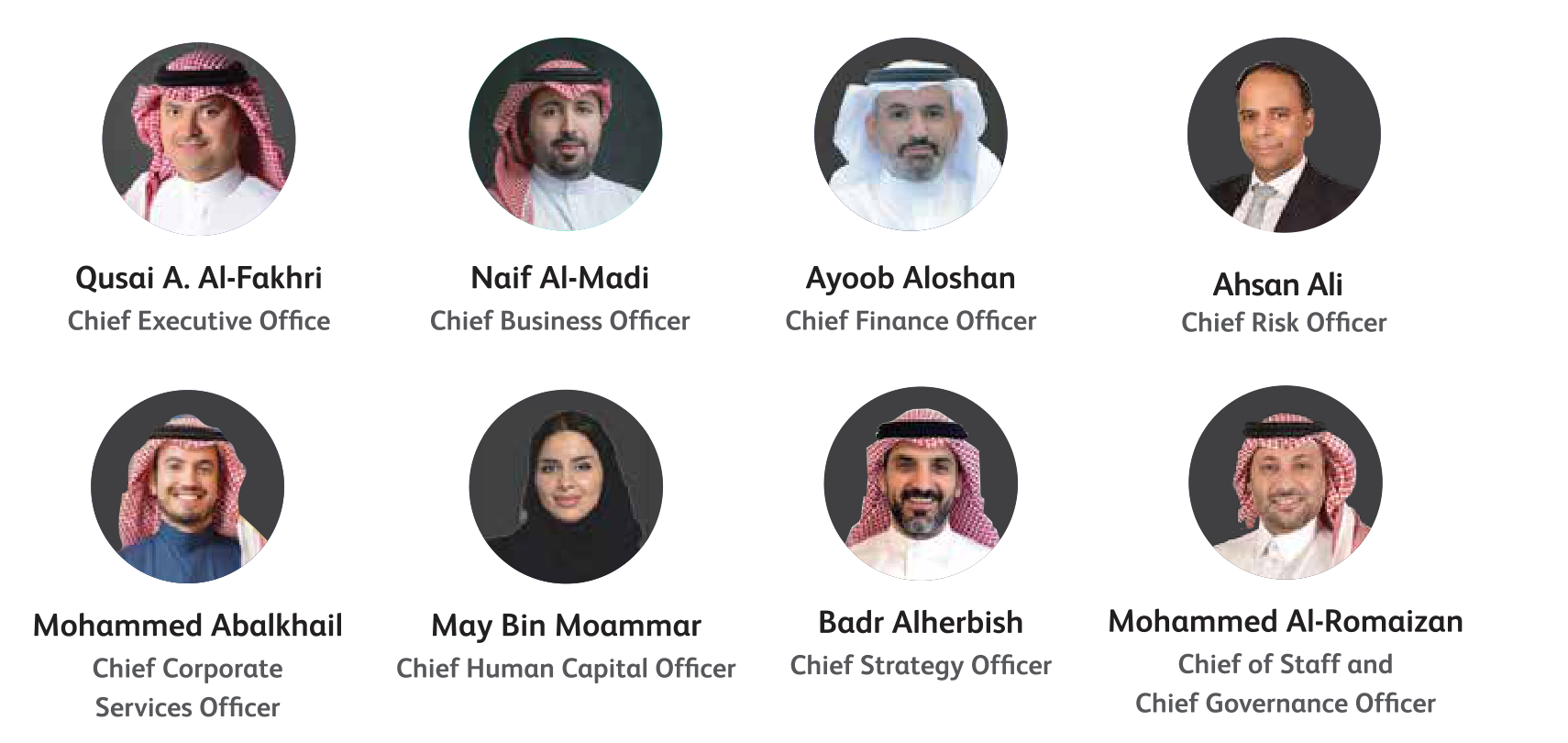
While the Board oversees the Fund’s economic, environmental, and social impacts, they have delegated the day-today responsibilities to executive leadership, including the Chief Risk Officer who manages impact responsibilities.
Senior executives and dedicated management committees cover credit risk, investment, ESG performance, and operational resilience which ensures effective implementation, cross-functional coordination, and regular reporting. Reports on impact management are presented quarterly to the Board, supporting informed decision-making and aligning sustainability initiatives with the Fund’s commitments and national priorities under Vision 2030.

Communication of Critical Concerns
At TDF, critical concerns are communicated to the highest governance body primarily through email or other formal communication channels.
In 2024, fewer than 10 critical concerns were escalated to the Board, reflecting the Fund’s proactive risk management and strong internal oversight. These concerns typically related to resolution approvals, specific incidents, and progress on strategic alignment with national objectives. This process ensures that the Board remains informed of key matters and is equipped to take timely, effective decisions that support transparency, accountability, and stakeholder trust.
Sustainability Governance Framework
The Fund operates under a governance framework that includes board-level oversight over a dedicated ESG team as they actively engage in reviewing environmental, social, and governance (ESG) performance and ensures that due diligence processes are in place to assess and manage the Fund’s impacts across the tourism value chain.
ESG strategy implementation KPIs have been added to the Board’s performance indicators, and the steering committee mandate has also been updated to include ESG oversight.
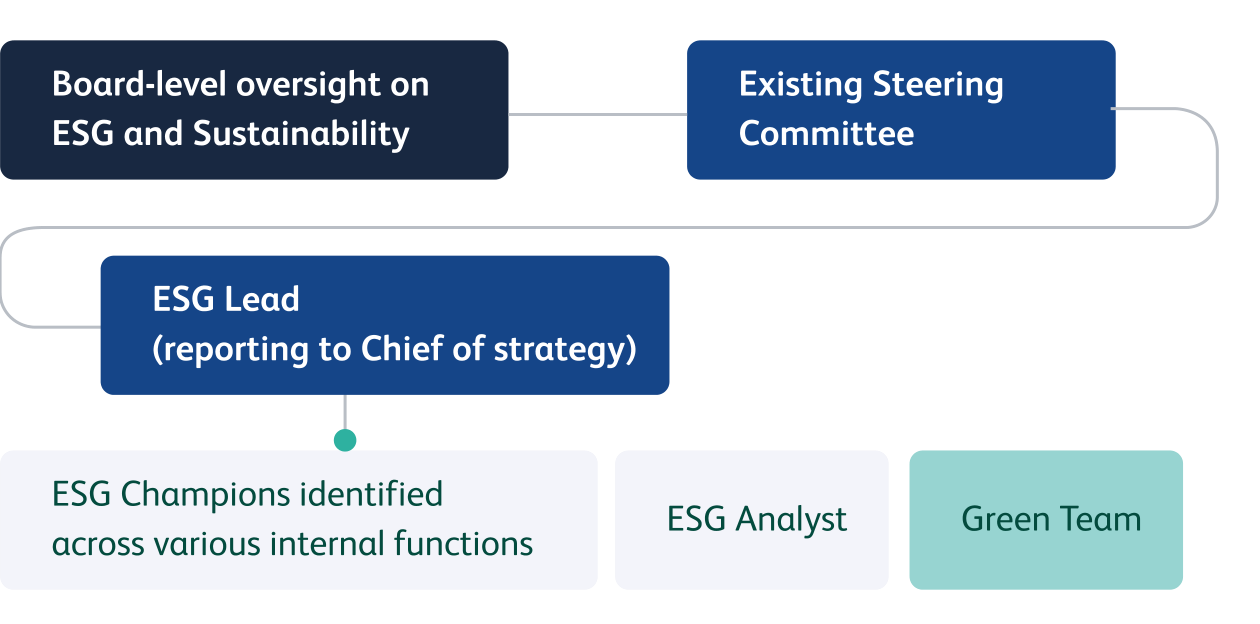
The ESG lead reports to the Chief of Strategy who oversees the Fund’s sustainability performance.
Their responsibilities include reviewing and approving ESG strategies, policies, annual action plans, and supervising the implementation of initiatives, KPIs, and reporting activities. The ESG lead also monitors compliance, engages with stakeholders, and stays abreast of evolving ESG standards.
To embed ESG across the organisation, a network of ESG Champions from various departments promotes awareness, integrates ESG into operations, and helps implement related projects and policies.
Established in 2024, the Green Team brings together members from various departments to promote ESG awareness, foster innovation, and gather ideas for sustainability initiatives. The team held two meetings in its inaugural year focusing on Corporate Social Responsibility (CSR) and Diversity, Equity, and Inclusion (DEI). Moving forward, the Green Team will meet quarterly to support ongoing sustainability efforts across the organisation.
The ESG lead along with Chief of Strategy reports quarterly to the Steering Committee and Board of Directors, providing updates on performance, strategy execution, and priorities. This structured reporting ensures accountability, transparency, and continuous alignment with emerging ESG trends.
Alignment
 Saudi Vision 2030
Pillar
Unlocking business value of tourism ecosystem
Target
Full steering committee oversight on ESG strategy
- Become members or signatories to global alliances
- Enhance ESG disclosure in alignment with leading ESG reporting frameworks

Risk Management
The Fund continues to strengthen its risk management capabilities to support the sustainable growth of Saudi Arabia’s tourism sector.
In 2024, TDF successfully integrated ESG criteria into its Enterprise Risk Management (ERM) framework to identify and address ESG risks. This was done by benchmarking leading industry practices in ESG risk management, including governance structures, material risk identification, policy development, risk appetite definition, integration with overall strategy, mitigation measures, and reporting and monitoring mechanisms.
As part of this effort, the Fund introduced an ESG Health Check to assess qualitative ESG risks associated with customer profiles. In parallel, a comprehensive roadmap has been developed to guide the complete integration of ESG criteria into TDF’s risk management processes.
International Standards and Certifications
The Fund’s commitment to robust risk governance is further demonstrated through its adoption of internationally recognised standards:
- ISO 31000 – Risk Management: This certification reflects TDF’s implementation of a comprehensive framework for managing financial, operational, and strategic risks, reinforcing its role in enabling resilient and sustainable tourism development.
- ISO 31022 – Legal Risk Management: By adopting this standard, the Fund has institutionalised a structured methodology for identifying and mitigating legal risks, enhancing operational resilience and supporting institutional excellence.
Business Continuity
The Fund has maintained a comprehensive Business Continuity Management (BCM) System since its establishment in 2021, overseen by a dedicated BCM team that reports to the Steering Committee, which in turn is accountable to the Board.
- Of critical vacant positions were filled internally
- 27%
- Completion of the Assessment Center for N-1 Successors(R1)
- 100%
- Completion Of Online Assessment
- 100%
- Completion Of the identification and documentation of development areas for successors
- 89%
Business ethics and Integrity
The Fund is committed to fostering a culture of transparency, accountability, and ethical conduct in every facet of its operations.
As a catalyst for sustainable tourism growth across the Kingdom of Saudi Arabia, the Fund recognises that strong business ethics and integrity are foundational to building trust with its stakeholders from partners and investors to the communities it serves. TDF’s governance framework ensures that all decisions align with its core values and the Kingdom’s Vision 2030 objectives, promoting responsible growth while safeguarding against risks such as corruption, conflicts of interest, and unethical practices.
Grievance Mechanism & Whistle-blowing
The Fund recognises the importance of addressing and remediating any negative impacts it may cause or contribute to.
The grievance process is handled internally, with an internal committee dedicated to monitoring its effectiveness. The committee’s findings are regularly reviewed, and outcomes are presented to the CEO for further action. This internal governance ensures accountability and responsiveness in how the organisation manages concerns and takes corrective measures. As part of the broader grievance and remediation framework, TDF has established a whistle-blowing mechanism that enables employees and stakeholders to confidentially report misconduct or unethical practices. These reports are investigated impartially, and appropriate remedial actions are taken to address substantiated concerns.
Alignment
- 16UN SDG 16: Peace, Justice and Strong Institutions
- Saudi Vision 2030
Pillar
Unlocking business value of tourism eco-system
Target
100% employee compliance to anti-corruption, anti-bribery, and anti-money laundering learnings
Key Policies
TDF demonstrates a strong commitment to responsible business conduct through comprehensive policy frameworks that align with authoritative intergovernmental instruments and regulatory requirements.
The organisation’s policy commitments have been formally approved by the Board, reflecting the highest level of oversight of governance. These policies are fully applicable across all organisational activities and business relationships and are actively communicated through the internal portal, awareness sessions, and frequent employee-wide emails to ensure consistent understanding and implementation across the organisation.
Conflict of interest
As per the conflict-of-interest policy, members of the Board are required to disclose any personal interests, or those of the organisations they represent, that may be related to matters presented for Board consideration.
In cases where such interests could result in a potential conflict with the Fund’s objectives, the concerned directors recuse themselves from participating in related discussions and abstain from voting on the matter. This includes disclosures related to cross-board memberships, cross-shareholding with suppliers or stakeholders, and any related party relationships, transactions, or outstanding balances. Additionally, the Fund ensures transparency in identifying any controlling shareholders whose influence could impact decisionmaking.
Anti-Fraud
The Fund maintains a comprehensive anti-fraud framework that encompasses risk assessment, communication, training, and monitoring across all its operations.
The organisation conducted risk assessments during the reporting period, achieving 100% coverage of all operational areas. TDF’s anti-fraud policies and procedures have been communicated to all governance bodies and employees supported by mandatory training on these requirements56. This systematic approach enables the Fund to identify potential risks and implement appropriate preventive measures.
Anti Money Laundering
TDF is committed to upholding the highest standards of integrity and transparency by actively preventing and addressing money laundering activities.
The organisation’s AML framework supports ethical business conduct and contributes to a more transparent and accountable financial system.
As part of this commitment, TDF conducts an annual Regulatory Compliance and Financial Crimes Prevention training campaign for all staff. This initiative is aligned with both regulatory requirements and the Fund’s strategic objectives, reinforcing a culture of compliance, integrity, and accountability across the organisation. The successful roll out of comprehensive Compliance and AML training programs has further strengthened this commitment, covering critical topics such as anti-money laundering and counter-terrorist financing (AML/CTF), whistle-blowing, regulatory compliance, and anti-fraud measures.
- participants completed the training with 90% completion rate (target 75%)
- 197

Cybersecurity and Information Protection
In alignment with national regulations and international standards such as ISO 27001, the Fund has continued to strengthen its cybersecurity governance framework to safeguard digital assets and ensure the confidentiality, integrity, and availability of information.
In 2024, the Cybersecurity Department implemented a comprehensive awareness and training program targeting all employees, covering critical topics such as phishing, secure browsing, mobile device safety, and data leakage prevention. This initiative included four e-learning courses, 23 internal awareness messages, and a live session to reinforce secure digital practices. Additionally, TDF developed and maintained 34 cybersecurity policies and 15 security standards, ensuring full coverage of cybersecurity domains in accordance with the National Cybersecurity Authority’s guidelines. Proactive risk management practices were also enhanced to identify and mitigate cyber threats, while robust protection and monitoring systems were deployed to strengthen the organisation’s overall security posture and prevent potential breaches of data privacy.
- instances of identified leaks, thefts, or losses of customer data.
- 0